Established 2012 · Sydney, Australia

Australian Timber Export Specialists

Shanghai Donghong (SHDH) Pty Ltd is a Sydney-based exporter of Australian softwood logs, hardwood and lumber to markets across Asia.

~75containers exported every week
2,100 tof Australian logs shipped weekly
1M+ tsold since November 2012
20+people across Sydney, Newcastle and Shanghai
Green Australian farmland bordered by native forest
2014 & 2015 Premier of NSW’s Export Awards finalist

About SHDH

Company Overview

Shanghai Donghong (SHDH) Pty Ltd is an Australian timber trading company based in Sydney. Since it was founded in March 2012, it has grown into one of Australia’s leading timber exporters.

Our head office is in Sydney and our operations office is in Newcastle. Our sales team in Shanghai supports clients in China. We are also opening an office in Vietnam to serve the South East Asian market.

We trade internationally, open up new markets, and help buyers understand Australian timber. Our goal is to be known as a leading exporter of high-quality Australian timber.

01

Softwood Division

Exports Australian pine logs.

02

Hardwood Division

Supplies Australian hardwood species to timber markets overseas.

03

Lumber Division

Uses SHDH’s wide network of Australian suppliers to fill overseas lumber orders.

Products

Softwood and Hardwood Species

SHDH supplies a range of Australian plantation softwoods and native hardwoods.
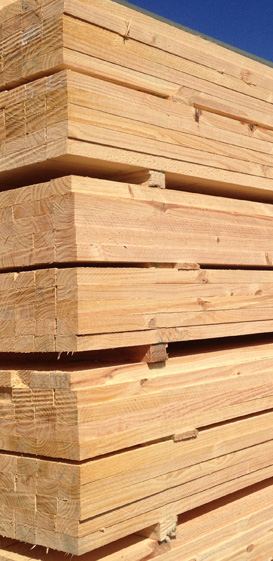
Softwood

Sawn hoop pine timber
Softwood

Hoop Pine

A native Australian softwood found widely in Queensland. It is used mainly in construction, and also for interiors and furniture. Also known as Queensland Pine, Colonial Pine and Moreton Bay Pine.
More about Hoop Pine
Location
North-east NSW, southern Queensland and the mountains of Papua New Guinea.
Appearance
Straight-grained, evenly textured and very fine. Heartwood ranges from light yellow-brown to pale cream; sapwood is almost white.
Density
560 kg/m³ at 12% moisture content.
Uses
House framing, flooring, lining, mouldings, laminated beams, plywood, furniture, joinery, poles, boat building and musical instruments.
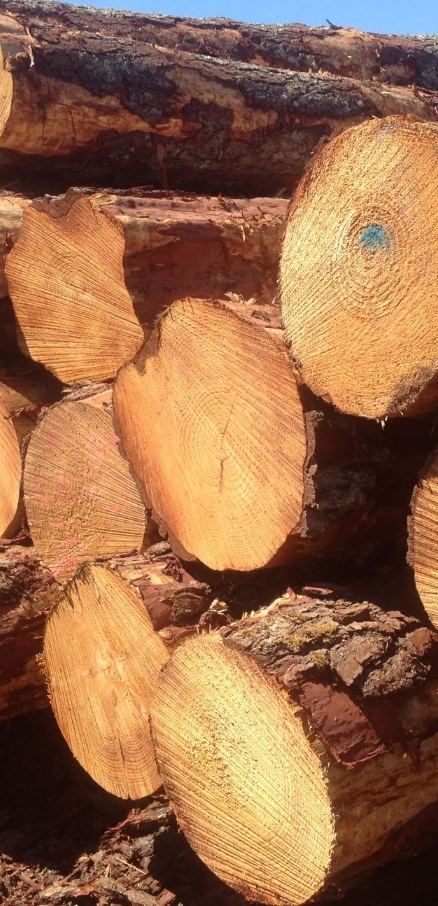
Stacked radiata pine logs
Softwood

Radiata Pine

Also known as Pinus radiata or Monterey pine. A versatile timber used for a whole range of structural and decorative applications.
More about Radiata Pine
Location
Grown mostly in large plantations on the Southern Slopes and Central Tablelands near Tumut and Bathurst, with smaller plantations near Walcha. It is the most important single softwood species in NSW.
Size
Up to 50 metres tall and 90 centimetres in diameter.
Appearance
Reddish-brown to yellow heartwood with pale yellow to white sapwood. Fine texture and usually straight grain.
Density
About 590 kg/m³ air-dry in 30–40 year old trees.
Uses
Construction, house framing, mouldings, doors, joinery, furniture, plywood, veneer, particleboard and MDF. When treated, also posts, poles, sleepers, retaining walls and decking.

Hardwood

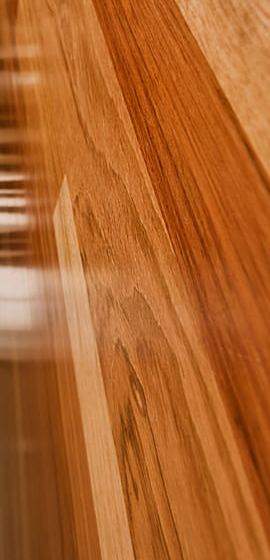
Close-up of ironbark timber grain
Hardwood

Ironbark

Grey ironbark is a premium native hardwood, long regarded as one of Australia’s highest-quality timbers. It is especially hard, strong and durable, and resists lyctid borers and termites.
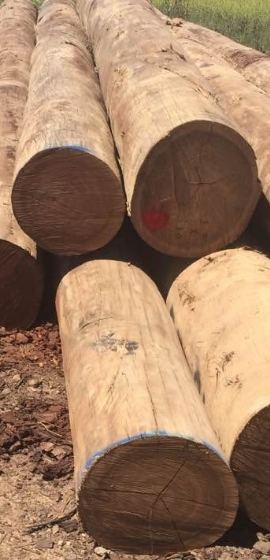
More about Ironbark
Location
From Bega to Coffs Harbour in NSW, north to Bundaberg in Queensland, with scattered patches as far as the Atherton Tableland.
Size
A medium-sized tree, 30–50 metres tall with a trunk up to 1.5 metres across.
Appearance
Reddish to dark brown heartwood with lighter sapwood. Tight, straight grain; dressed surfaces take on a steely sheen.
Density
A very heavy timber at about 1,120 kg/m³.
Uses
Railway sleepers, poles and cross-arms, bridge and general construction, house framing, and boat, vehicle and carriage building.
Spotted gum timber
Hardwood

Spotted Gum

One of Australia’s premium native hardwoods. Its striking appearance and high natural durability and strength make it ideal for structural, exterior and interior use.
More about Spotted Gum
Location
Common in New South Wales and southern Queensland.
Size
Usually 35–45 metres tall and 1–1.3 metres in diameter.
Appearance
Light to dark brown heartwood with pale sapwood. Interlocked, often wavy grain gives an attractive fiddleback figure.
Density
About 970 kg/m³ air-dry.
Uses
Heavy engineering and mining timber, house framing, flooring, tool handles, piles and poles, shipbuilding and plywood.
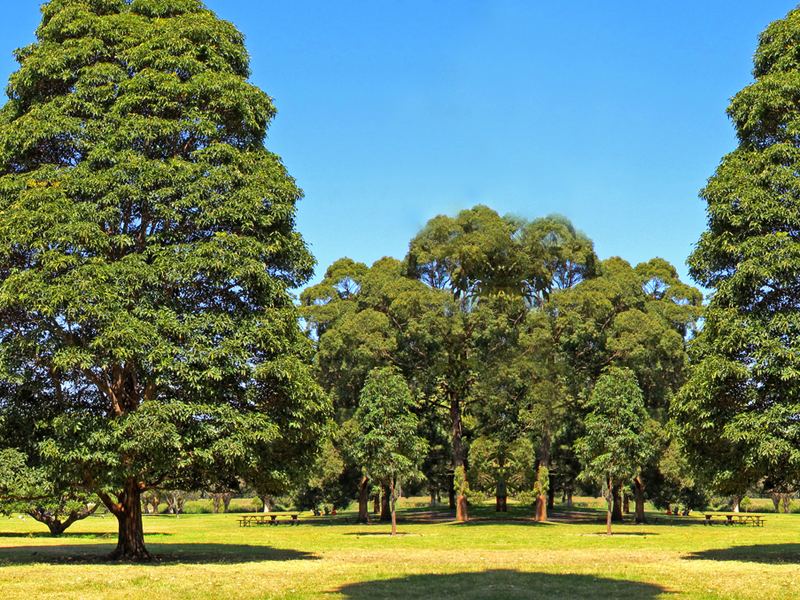
Brush box trees
Hardwood

Brush Box

A large hardwood that grows from the NSW Central Coast up to Bowen in Queensland, often on the edge of rainforests. It is also widely planted as a street tree in Sydney.
More about Brush Box
Appearance
Fine, interlocked grain and even texture. Heartwood ranges from greyish pink to reddish brown and is free of gum veins, which makes it especially attractive for flooring.
Uses
Mainly flooring, cladding, panelling and some structural work. Also wharf and bridge decking, boat building, handles and turnery.
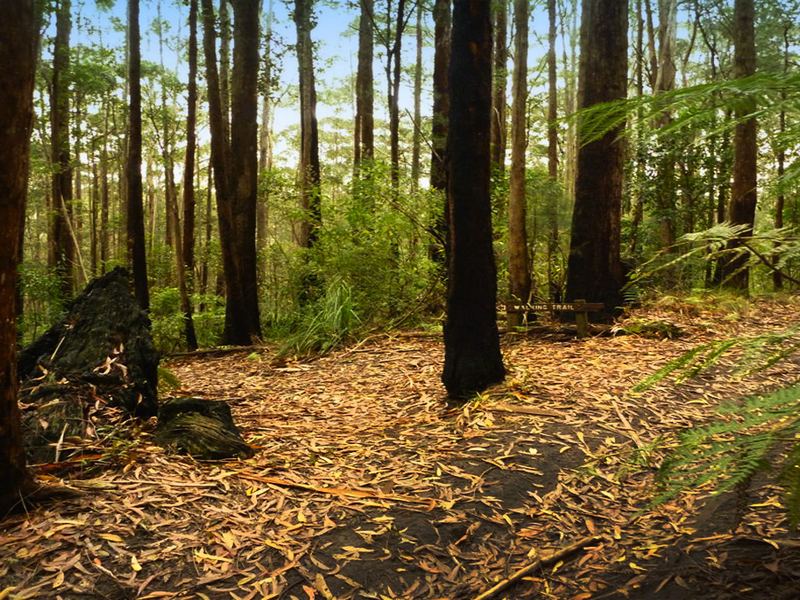
Coastal blackbutt forest
Hardwood

Coastal Blackbutt

One of the most common commercial hardwoods from the coastal forests of NSW. It can be stained, painted or polished, and its good fire resistance makes it suitable for building in bushfire areas.
More about Coastal Blackbutt
Location
Coastal forests from Bega on the NSW south coast up to Maryborough in Queensland.
Size
A tall tree, up to 75 metres.
Appearance
Cream to pale brown, sometimes with a slight pink tinge. Usually straight grain with a medium, even texture.
Uses
Decking, flooring, cladding, stairs, rails and balustrades, pergolas, joinery, mouldings and portal frames.
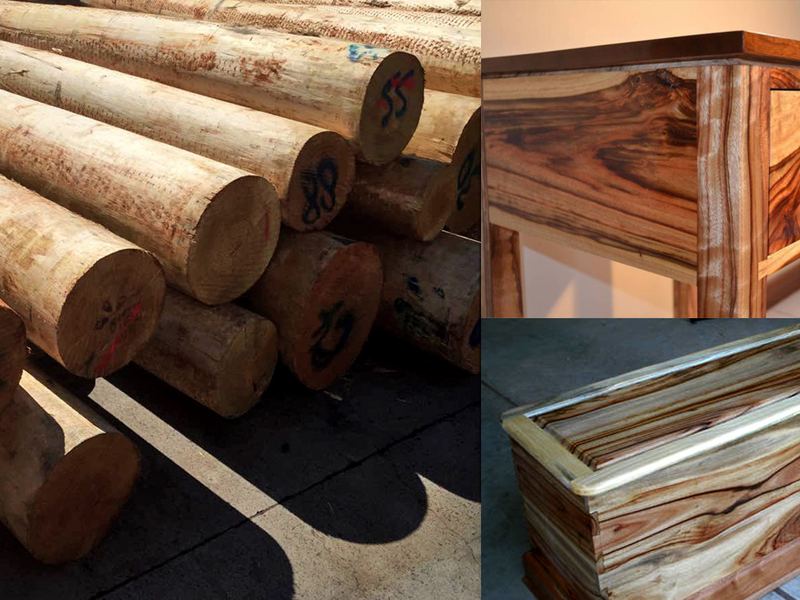
Camphor laurel logs and furniture
Hardwood

Camphor Laurel

A beautiful, rich honey-coloured timber with a clean, fresh camphor scent. It is ideal for furniture, carving and cabinetry.

More about Camphor Laurel
Location
Native to Taiwan, southern Japan and south-east China. Introduced to Australia in 1822 and now common in south-east Queensland.
Appearance
Heartwood varies from pale to mid brown, often streaked with darker brown or red. Straight, interlocked or wavy grain with a high natural lustre.
Uses
Fine and slab furniture, bench tops, tables, shelving, lining boards and turned bowls. Its scent repels moths, making it ideal for clothes storage, and it is prized for chopping boards.

Who we work with

Forestry Corporation of NSW

The largest manager of commercial native and plantation forests in NSW, looking after more than two million hectares of forest.

FCNSW manages these forests for the economic, environmental and social benefit of the people of NSW and Australia. It is a major force in the state’s timber industry, which contributes nearly $3 billion to the NSW economy each year.

Operations

Wood Collection Process

Every shipment follows a consistent six-stage process, from harvest to final inspection.

  1. 01

    Harvest

    Logs are harvested from managed Australian forests and plantations.

  2. 02

    Haulage

    Logs travel by truck and rail from the forest to the yard and the port.

  3. 03

    Grading

    Logs are sorted by species, size and grade to match each buyer’s specification.

  4. 04

    Packing

    Graded logs are loaded into containers for export.

  5. 05

    Fumigation

    Containers are fumigated to meet biosecurity rules in the destination country.

  6. 06

    Inspection

    A final inspection is done before the shipment leaves Australia.

A row of shipping containers packed with logs in front of a large shed A stack of pine logs, each end marked with a yellow grading tag Long rows of stacked logs in the yard with a log loader alongside Log stacks beside shipping containers under a clear blue sky Rows of tagged logs lined up next to stacked shipping containers

Recognition

Awards and Achievements

Premier’s NSW Export Awards logo
2014 & 2015

Two-time finalist in the Premier’s NSW Export Awards
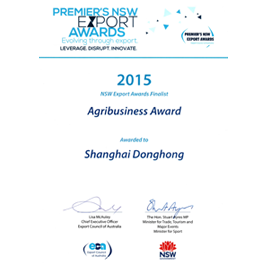
2015 NSW Export Awards finalist certificate for the Agribusiness Award, awarded to Shanghai Donghong
Agribusiness

2015 NSW Export Awards finalist in the Agribusiness category
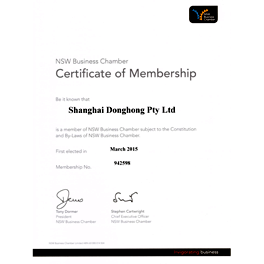
NSW Business Chamber certificate of membership for Shanghai Donghong Pty Ltd, March 2015
Member

Member of the NSW Business Chamber since March 2015
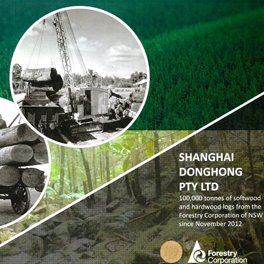
Forestry Corporation of NSW certificate: 100,000 tonnes of softwood and hardwood logs since November 2012
100,000 tonnes

Of softwood and hardwood logs sourced from Forestry Corporation of NSW, a milestone reached in November 2012, within nine months of commencing operations

Contact

Enquiries

For enquiries regarding species, volumes or shipping, please contact our sales team.